Choosing the Right Detox Shampoo for a Dry, Irritated Scalp
Understanding Dry Scalp and Product Buildup
A dry, flaky scalp can be uncomfortable and frustrating. It often itches, feels tight, and may produce visible white flakes that are easily mistaken for dandruff. While dandruff is usually linked to excess oil and a specific yeast, dry scalp is primarily about a lack of moisture in the skin. Many factors contribute to this condition: cold weather, indoor heating, harsh hair products, overwashing, and even the natural chemistry of your skin. But there is another layer to the problem that many people overlook: product buildup.
Every shampoo, conditioner, styling gel, and dry shampoo leaves behind residues. Over time, these residues accumulate on the scalp and hair shaft. They can clog pores, trap dead skin cells, and interfere with the scalp's natural moisture balance. When this buildup combines with a naturally dry scalp, the result is often increased irritation and flaking. Standard clarifying shampoos can strip away buildup, but they often use strong sulfates that worsen dryness. This is where a carefully formulated detox shampoo comes into play.
How Detox Shampoos Help with Dryness
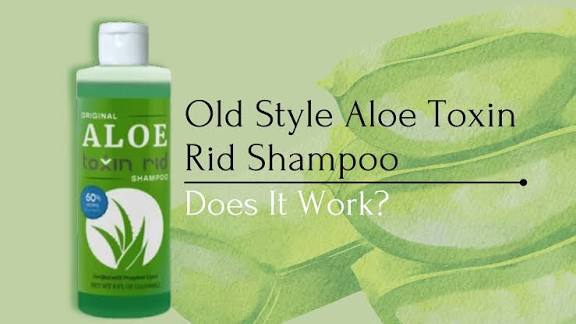
A detox shampoo is designed to remove accumulated residues without overly stripping the scalp. The key is in the ingredients. Many detox formulas rely on absorbent clays, activated charcoal, or gentle fruit enzymes to lift buildup. For those with a dry scalp, an aloe-based detox shampoo offers a distinct advantage. Aloe vera is known for its soothing and hydrating properties. It can help calm irritation while the cleansing agents do their work. This dual action makes it a strong candidate for anyone who needs to reset their scalp environment but cannot tolerate harsh detergents.
When you are choosing a shampoo for dry scalp, the ingredient list matters more than the label on the bottle. Look for products that avoid sodium lauryl sulfate and sodium laureth sulfate, as these can strip natural oils. Instead, seek out milder surfactants like coco-glucoside or decyl glucoside. Humectants such as glycerin, aloe vera, or panthenol help draw moisture into the skin. Emollients like jojoba oil or squalane can also support the scalp barrier. A good detox shampoo for this purpose should feel effective but not drying after rinsing.
When to Use a Detox Shampoo
Not everyone needs to detox their scalp every day. In fact, overusing a detox shampoo can backfire if your scalp is already dry. A sensible approach is to use it once a week or once every two weeks, depending on how much product you typically apply. If you use heavy styling creams, waxes, or dry shampoo regularly, weekly detoxing may be helpful. If you keep your routine minimal, a bi-weekly or monthly treatment might be enough. Pay attention to how your scalp feels after each wash. If it feels tight or irritated, you may be detoxing too often or using a formula that is too harsh.
One common reason people seek out a detox routine is to prepare for a hair follicle test. Laboratories require a clean sample free from external contaminants and heavy product residues. Using a dedicated detox shampoo can help reduce the chance of residue interfering with test results. This is a specific use case, but it also highlights how thorough removal of buildup can matter beyond everyday comfort.
Key Ingredients to Look For
When selecting a shampoo for dry scalp, understanding a few key categories of ingredients can guide your choice. Here are the main groups to consider:
- Gentle cleansers: Look for coco-glucoside, decyl glucoside, or sodium cocoyl isethionate. These remove dirt and oil without stripping the skin barrier.
- Moisture retainers: Glycerin, aloe vera juice, and honey are humectants that attract water to the scalp. They help counteract the drying effect of any cleansing agent.
- Soothing agents: Ingredients like aloe vera, chamomile, and allantoin can reduce redness and itchiness. They are especially helpful if your scalp is already irritated.
- Scalp barrier supporters: Oils such as jojoba, argan, or squalane mimic the scalp's natural sebum and help maintain a healthy moisture layer.
Avoid formulas that contain high levels of alcohol, strong fragrances, or sulfates. These can aggravate dryness even if the product claims to be moisturizing. The best approach is to read the label before buying, especially if you have a history of sensitive skin.
Building a Balanced Hair Care Routine
A detox shampoo works best when it is part of a thoughtful hair care routine. Start by using your regular, gentle shampoo on most wash days. On detox day, wet your hair thoroughly, apply the detox shampoo, and massage it into your scalp with your fingertips for about two to three minutes. Focus on the areas where you feel most buildup or itchiness. Rinse well, and follow with a lightweight conditioner only on your mid-lengths and ends. Avoid applying conditioner directly to the scalp if it contains silicones or heavy oils, as these can contribute to buildup.
Between washes, try to keep your scalp environment balanced. Avoid overwashing, which can strip natural oils. If your scalp feels dry, consider a leave-in scalp treatment or a few drops of a lightweight oil like jojoba. Stay hydrated, and protect your scalp from extreme cold and heat when possible. These small adjustments can make a big difference in how your scalp responds over time.
What to Watch Out For
Even the right detox shampoo can cause issues if used incorrectly. If you have active eczema, psoriasis, or open sores on your scalp, consult a dermatologist before trying any new product. Some detox ingredients, such as salicylic acid or peppermint oil, can be too stimulating for very sensitive skin. Also, be aware that switching to a gentler shampoo may require a transition period. Your scalp might produce more oil initially as it adjusts to being less stripped. This is normal and usually resolves within a few weeks.
Another point to consider is the frequency of detoxing. If you notice that your scalp feels more dry or flaky after using a detox shampoo, reduce how often you use it. You may also need to switch to a formula with more hydrating ingredients. The goal is to remove buildup without disrupting the moisture barrier. It is a balancing act, but with a little attention, you can find a rhythm that works for your skin.

Final Thoughts
Dry scalp does not have to be a persistent problem. By understanding the role of product buildup and choosing a gentle, effective detox shampoo, you can address both the symptoms and the underlying causes. Aloe-based formulas offer a particularly good balance of cleansing and soothing action. Whether you are preparing for a test or simply want a healthier scalp, the right product and routine can make the difference. Take the time to listen to your scalp, adjust your habits, and pick ingredients that support moisture rather than strip it away.